



The Review
The Samsung Demo Phone currently tops our rank of the greatest Samsung phones available, beating even the pricier iPhone Ultra Max Mega.
So unsurprisingly this is an absolutely fantastic phone. The design isn't massively changed from the previous generation, but most other elements have been upgraded. This is what we call a big boost.
Resolution 745 defines one of the most critical safety rules in aviation: the strict prohibition of dangerous goods in passenger baggage. It mandates that any item classified as hazardous under international regulations must not be accepted in either checked or carry-on baggage unless specifically permitted under controlled conditions.
In practice, this means that explosives, flammable substances, corrosives, toxic materials, and other hazardous items must be identified and refused at the point of acceptance. The resolution ensures that all airlines apply a consistent global standard aligned with the IATA Dangerous Goods Regulations.
This rule transforms baggage handling into a critical safety checkpoint, ensuring that risks are eliminated before baggage enters the aircraft environment.
Origin and Regulatory Alignment
Resolution 745 was established within the IATA Passenger Services Conference framework as part of the global baggage standards governing airline operations. It directly aligns with the ICAO Technical Instructions and the IATA Dangerous Goods Regulations, ensuring that all carriers enforce the same safety requirements.
The resolution has been consistently maintained across editions of the Passenger Services Conference Resolutions Manual, reflecting its importance as a core aviation safety rule rather than a procedural guideline.
Purpose and Safety Objective
The primary purpose of Resolution 745 is to prevent hazardous materials from being transported in passenger baggage. These materials can pose serious risks during flight, including fire, explosion, toxic exposure, or chemical reactions caused by pressure and temperature changes.
By enforcing strict controls at the point of baggage acceptance, the resolution ensures that these risks are eliminated before they enter the aircraft.
This shifts baggage handling from a logistical process into a safety-critical operation.
If it is dangerous on the ground, it is unacceptable in the air.
Scope of Prohibited and Restricted Items
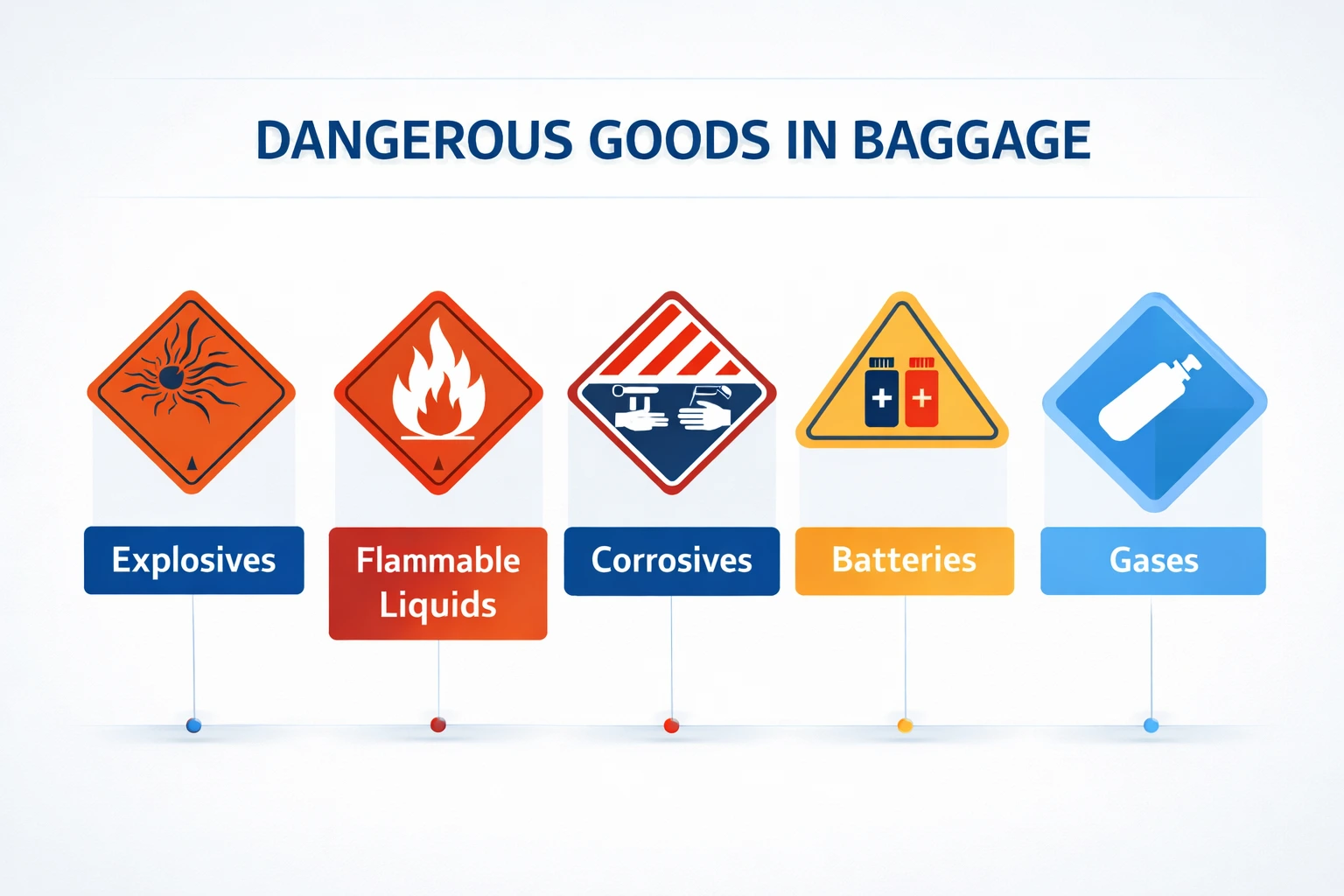
Resolution 745 applies to all categories of dangerous goods defined under international regulations. These include explosives, flammable liquids, corrosives, toxic substances, radioactive materials, and compressed gases.
In practical terms, most dangerous goods are forbidden in both checked and carry-on baggage, with only limited exceptions for specific personal items such as toiletries, medical supplies, and regulated batteries under strict conditions.
Passengers must comply with these restrictions, and airlines are responsible for enforcing them consistently across all operations.
Operational Implementation
Airlines implement Resolution 745 through a combination of screening, staff training, and procedural controls. At check-in and security checkpoints, baggage is inspected using X-ray systems and other detection technologies to identify prohibited items.
Ground staff are trained to recognize dangerous goods and apply the appropriate actions, including refusal, confiscation, or reclassification of items. Passengers may also be questioned or required to declare certain items.
These processes ensure that no baggage is accepted without proper verification.
Handling of Non-Compliant Baggage
When prohibited items are identified, strict procedures are followed. The baggage may be refused entirely, or the dangerous item may be removed and handled separately according to safety protocols.
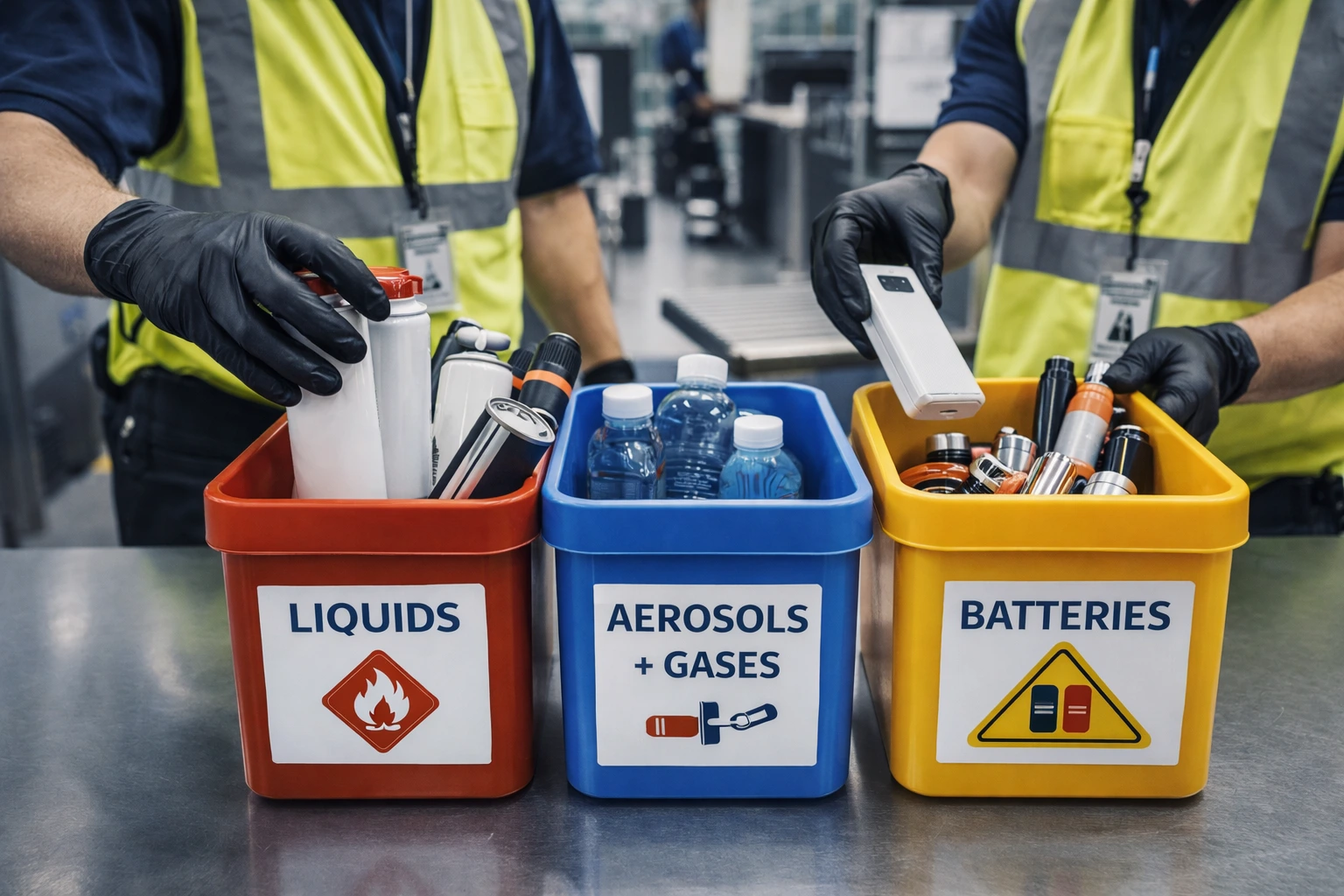
Confiscated items are placed in designated safety containers and managed according to hazardous materials procedures. This ensures that risks are contained and do not affect airport operations.
These actions are applied consistently to maintain compliance and safety.
Benefits for Airlines and Passengers
The enforcement of Resolution 745 provides significant safety benefits by preventing hazardous incidents during flight. It reduces the risk of fires, explosions, and chemical exposure, protecting both passengers and crew.
Operationally, it ensures compliance with international regulations, avoiding penalties and maintaining airline certification standards.
For passengers, it provides confidence that strict safety measures are in place, contributing to a secure travel experience.
Auditability and Compliance
Resolution 745 is highly auditable due to its integration into airline procedures and regulatory frameworks. Airlines maintain records of baggage screening, staff training, and incident handling to demonstrate compliance.
Regulatory authorities conduct audits and inspections to verify that airlines are enforcing dangerous goods restrictions consistently. This ensures that the resolution is applied uniformly across the global aviation network.
Real-World Application
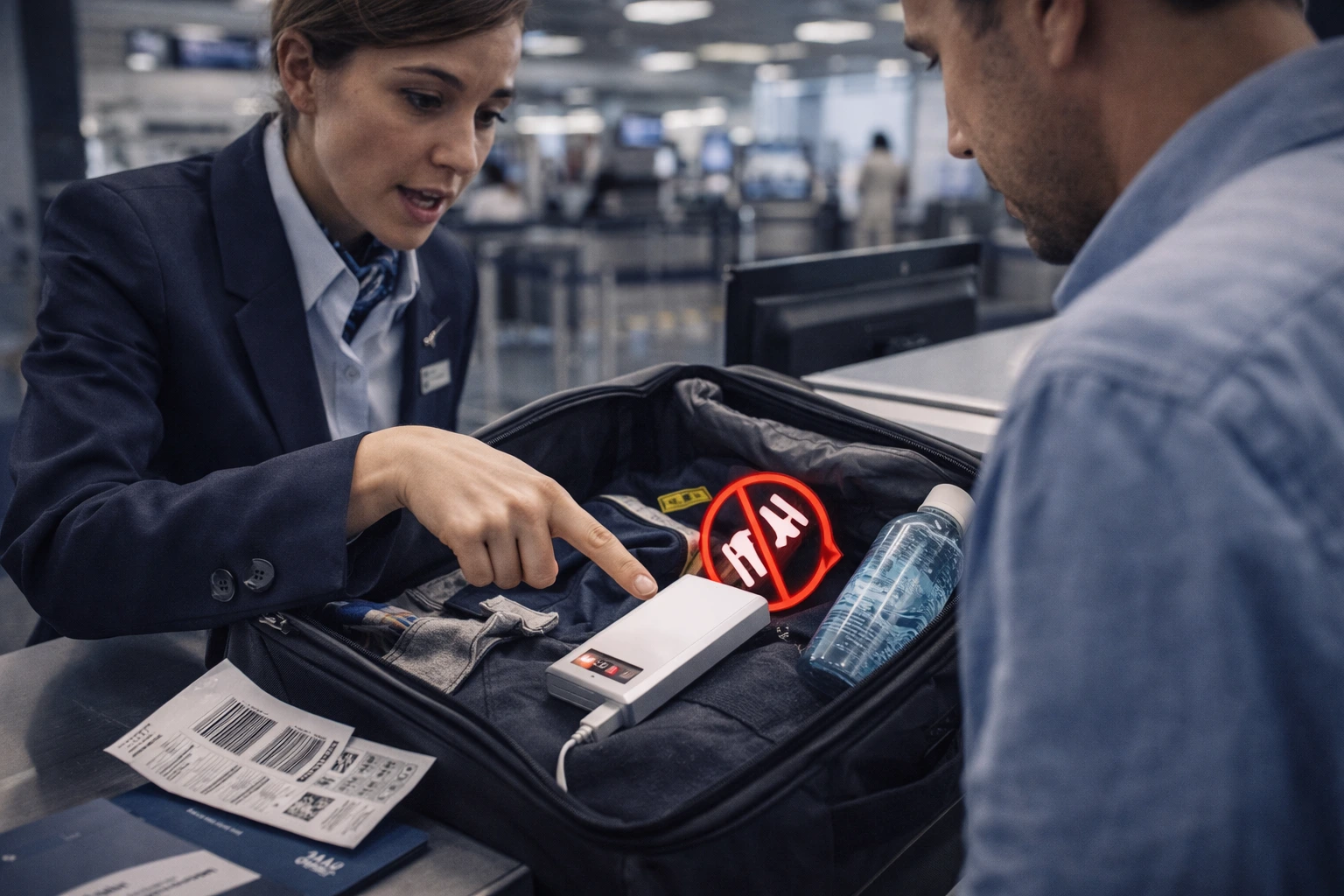
In daily operations, Resolution 745 is enforced at every airport worldwide. For example, if a passenger attempts to check in a bag containing a power bank or flammable liquid, the item is identified during screening and removed or refused.
Similarly, prohibited items discovered during security checks are confiscated and handled according to safety protocols. These actions prevent dangerous goods from entering the aircraft environment.
This consistent enforcement ensures that safety standards are maintained across all flights.
Conclusion
Resolution 745 establishes a fundamental safety principle in aviation: dangerous goods must not be carried in passenger baggage. By enforcing strict screening, identification, and handling procedures, it ensures that all baggage entering the aircraft environment is safe.
Its impact extends across the entire aviation system, protecting passengers, crew, and aircraft while ensuring compliance with global regulations. In a highly regulated industry, Resolution 745 remains a cornerstone of safe and reliable baggage handling.
