


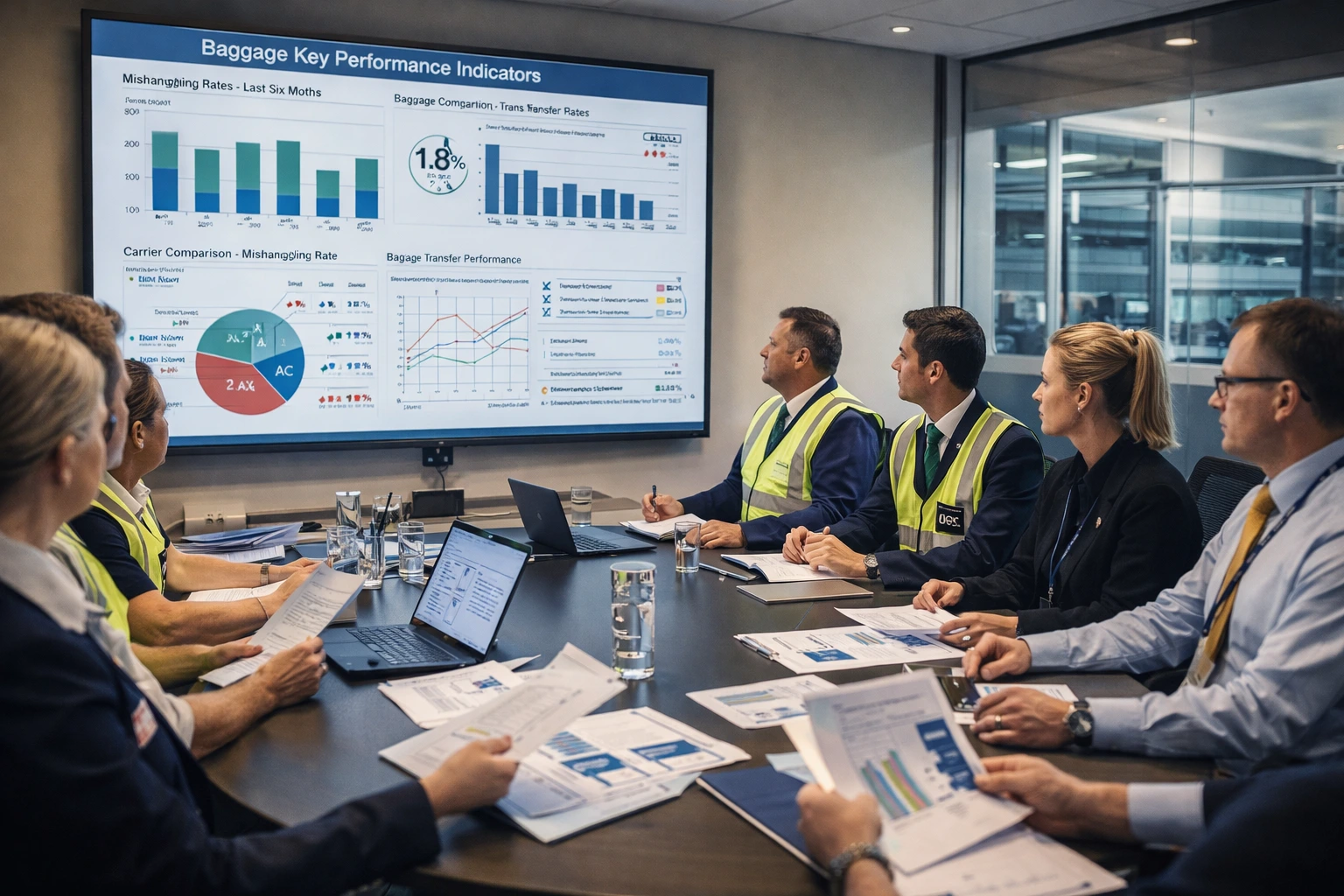
Resolution 744 defines a collaborative framework within global aviation: the establishment of Local Baggage Committees (LBCs) at airport level. These committees bring together airlines, ground handlers, and airport authorities into a single operational forum focused on improving baggage handling performance.
Rather than imposing technical rules, the resolution formalizes cooperation. It ensures that all stakeholders involved in baggage operations work collectively to monitor performance, resolve issues, and implement improvements in a structured and consistent way.
At its core, Resolution 744 recognizes that baggage handling is a shared responsibility, requiring coordination across multiple organizations operating within the same airport ecosystem.
Origin and Adoption
Resolution 744 was adopted as part of the IATA Passenger Services Conference framework to address the need for structured local coordination in baggage operations. It established a formal mechanism through which airlines and airport stakeholders could work together at each airport.
The resolution has remained consistent over time, reflecting its effectiveness as an operational model rather than a technical specification. It continues to be applied globally across airports with interline baggage activity.
Purpose and Scope
The purpose of Resolution 744 is to reduce baggage mishandling and improve operational efficiency through collaboration. It requires that Local Baggage Committees be established at airports where multiple airlines operate and where interline baggage transfers occur.
These committees serve as a platform for discussing performance, identifying root causes of issues, and agreeing on corrective actions. They ensure that all stakeholders have visibility into baggage operations and share responsibility for outcomes.
In practical terms, the resolution transforms baggage handling from isolated airline processes into a coordinated airport-wide system.
Better baggage performance comes from shared accountability, not isolated effort.
Structure and Function of Local Baggage Committees
An LBC typically includes representatives from all airlines operating at the airport, ground handling companies, and airport management. These stakeholders meet regularly to review performance data, discuss operational challenges, and coordinate improvements.
The committee operates as a structured forum, often guided by defined terms of reference. Meetings focus on measurable outcomes, including baggage delivery times, transfer success rates, and mishandling incidents.
Through this structure, the LBC ensures that decisions are made collectively and implemented consistently across all parties.
Technical and Analytical Oversight
One of the key functions of an LBC is the analysis of baggage performance data. Committees review key performance indicators such as mishandling rates, transfer times, and delivery performance.
By analyzing trends and identifying recurring issues, the committee can implement targeted solutions. This data-driven approach ensures that improvements are based on measurable insights rather than assumptions.
The use of shared analytics also ensures transparency, allowing all stakeholders to understand performance levels and contribute to improvements.

Implementation in Daily Operations
In practice, Local Baggage Committees are embedded into airport operations. They meet on a regular schedule, often monthly, to review recent performance and agree on actions.
Typical activities include setting minimum connection times for baggage transfers, coordinating staffing levels during peak periods, and standardizing handling procedures across airlines.
The committee also serves as a platform for introducing new technologies or processes, ensuring that all stakeholders are aligned before implementation.
Operational Benefits
Resolution 744 delivers significant benefits by improving coordination and reducing inefficiencies. By working together, airlines and handlers can resolve issues faster and prevent recurring problems.
This collaborative approach reduces baggage mishandling rates, improves transfer performance, and enhances overall operational efficiency. It also minimizes costs associated with delays, lost baggage, and compensation.
For passengers, the result is a more reliable baggage experience, with fewer delays and faster recovery of mishandled bags.
Auditability and Accountability
Local Baggage Committees create a structured record of decisions, actions, and performance outcomes. Meeting minutes, reports, and agreed targets provide a clear audit trail.
This documentation allows airlines and airport authorities to track progress, verify compliance, and demonstrate accountability. It also supports continuous improvement by ensuring that actions are reviewed and followed up.
The shared nature of the committee ensures that accountability is distributed across all stakeholders rather than assigned to a single organization.
Real-World Use Cases
In real-world operations, Local Baggage Committees play a critical role in resolving operational challenges. For example, when baggage transfer delays occur between connecting flights, the committee can analyze the root cause and implement corrective measures.
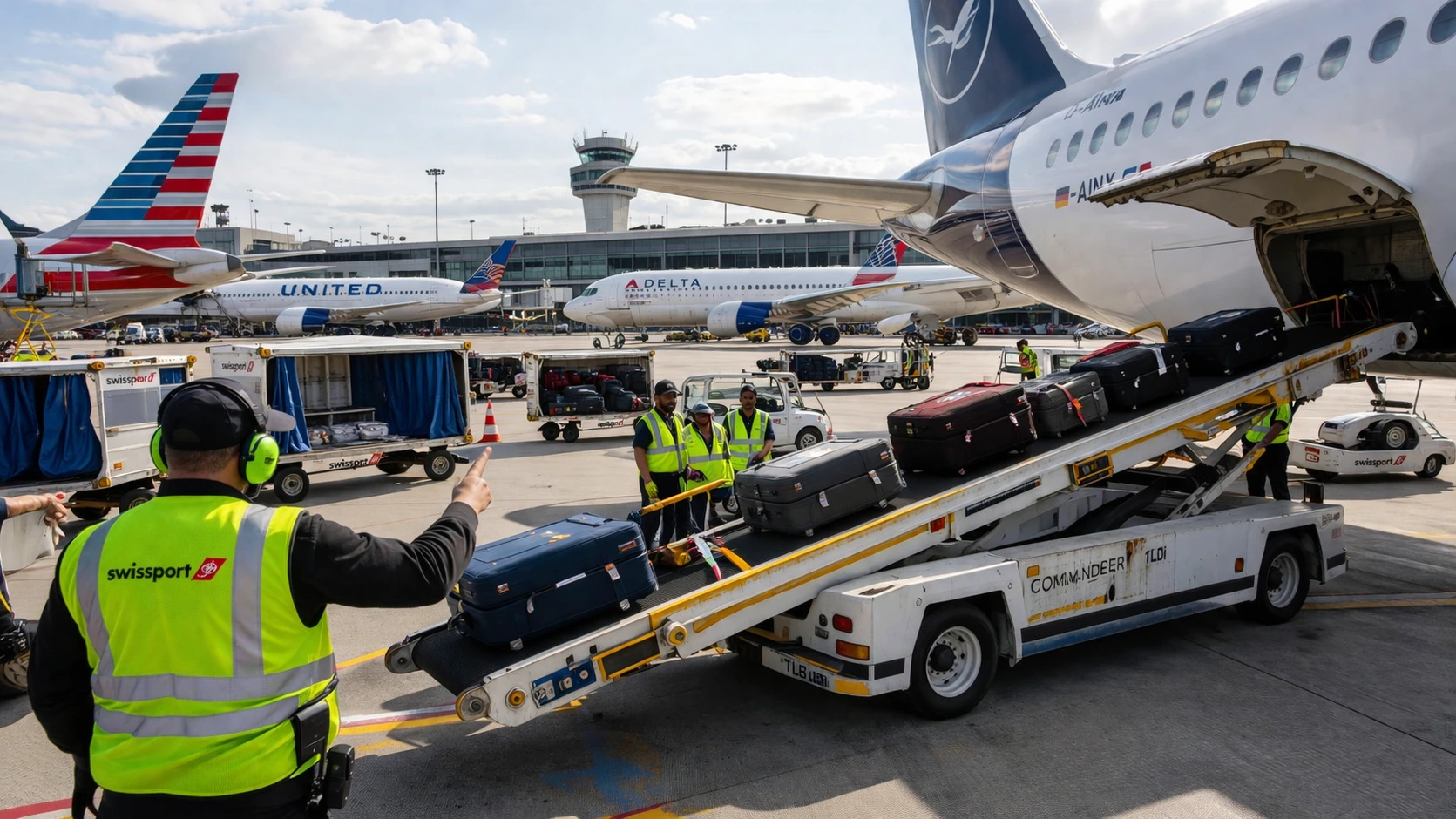
At busy hub airports, LBCs coordinate interline baggage transfers, ensuring that bags move efficiently between airlines. At smaller airports, they provide a structured approach to maintaining consistent standards despite limited resources.
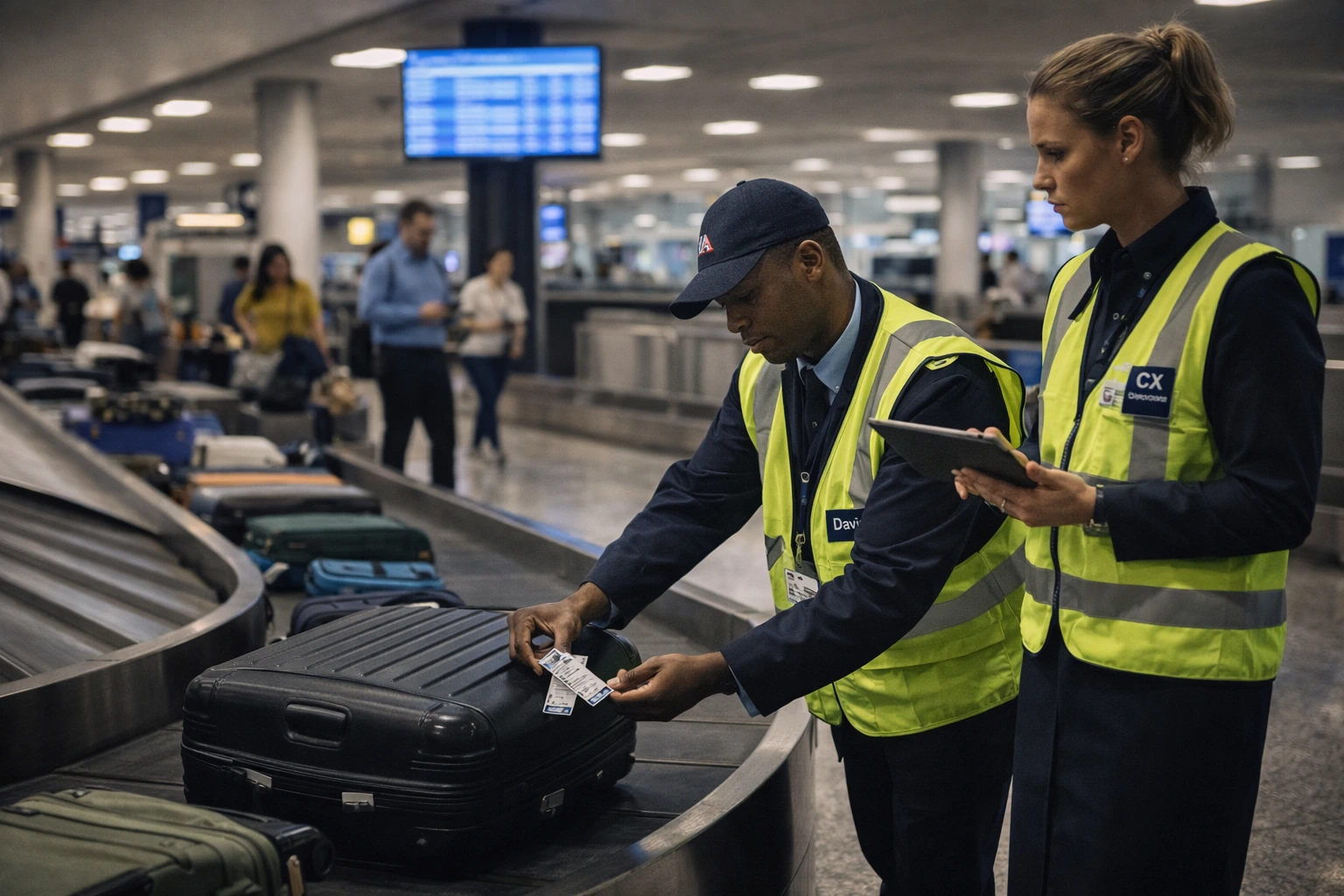
The committee also addresses issues at baggage claim, such as delays or misrouted bags, ensuring that corrective actions are implemented quickly and consistently.
Conclusion
Resolution 744 establishes a powerful yet simple principle: baggage performance improves when stakeholders work together. By formalizing Local Baggage Committees, it creates a structured framework for collaboration, accountability, and continuous improvement.
Its impact extends across the entire baggage handling ecosystem, enabling better coordination, reduced mishandling, and improved passenger satisfaction. In a complex aviation environment, Resolution 744 ensures that collaboration remains at the heart of baggage operations.
